
MCS Certified
Microgeneration Certification Scheme
NAPIT Approved
Electrical Competency
RECC Member
Consumer Protection
ISO 45001
Health & Safety Management
ISO 9001
Quality Management
ISO 14001
Environmental Management
4.9 / 5
500+ verified reviews
Agricultural Solar Panels for Suffolk Farms
Suffolk is one of England's most productive agricultural counties, with extensive barn roofs, unused land for ground-mount systems, and broader permitted development rights that enable larger installations.
Why Solar Works for Agricultural Solar in Suffolk
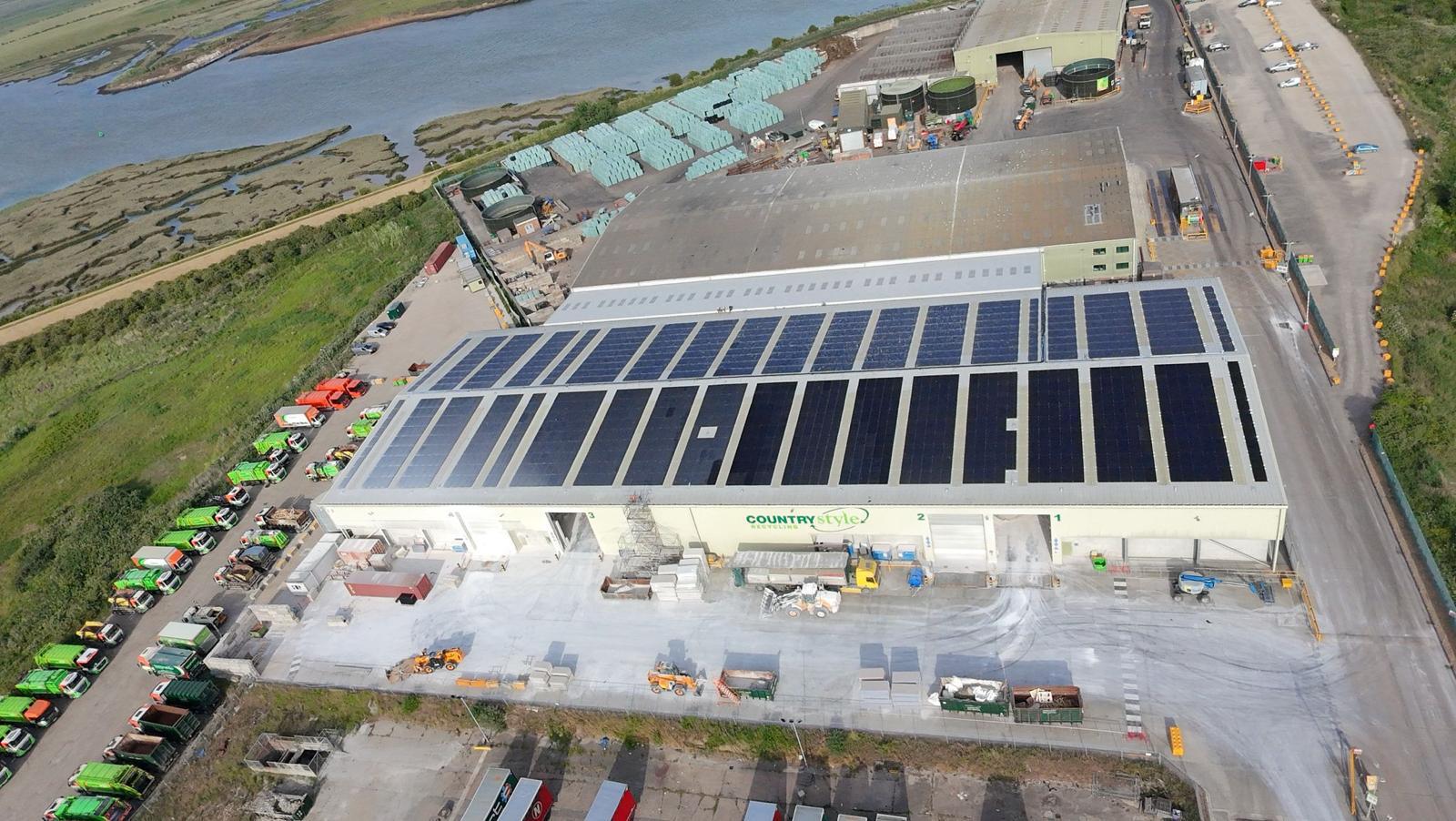
Suffolk is one of England's most productive agricultural counties — and it now has a council planning policy that explicitly favours rooftop solar over rural ground-mount. Suffolk County Council's guidance states that "solar installations should be rooftop before rural," actively directing solar investment onto farm buildings, grain stores, and livestock sheds before considering field-scale ground-mount. This policy, combined with DEFRA's Improving Farm Productivity Grant (25% co-funding for solar PV on farm buildings), makes Suffolk agricultural solar more financially attractive than anywhere else in the country.
The grant mechanism is straightforward: DEFRA's Improving Farm Productivity grant covers 25% of the capital cost of qualifying solar systems on agricultural buildings. Combined with Full Expensing (100% first-year tax allowance on the remaining 75%), the effective after-tax cost of a barn roof solar system can be reduced by 44% or more. A 100kW grain store installation with a gross cost of £80,000 could cost as little as £35,000 after these reliefs — with a payback period of under three years.
Suffolk's agricultural energy loads align perfectly with solar generation. Grain drying during late summer harvest is one of the most energy-intensive agricultural operations, consuming electricity precisely when panels generate at their peak. Cold storage for produce, irrigation pumping, poultry ventilation, and pig unit heating all contribute to high daytime consumption. The county's arable regions around Framlingham, Woodbridge, Debenham, and the Shotley Peninsula have extensive steel portal frame barn complexes. Waveney Valley dairy farms and central Suffolk poultry operations represent further concentrated opportunity. Battery storage can extend solar's benefit into evening milking, overnight heating, and early morning operations — key for full-farm energy independence on more remote holdings with higher grid costs.
Typical System Specifications
Indicative specifications for agricultural solar solar systems in Suffolk. Actual sizing depends on roof area, consumption, and specific requirements.
| System Size | Annual Generation | Estimated Savings | Payback |
|---|---|---|---|
| 30kW | 28,500 kWh/yr | £5,500-£8,000/yr | 5-7 years |
| 100kW | 95,000 kWh/yr | £18,000-£27,000/yr | 4-6 years |
| 250kW | 237,000 kWh/yr | £45,000-£67,000/yr | 4-6 years |
Prices exclude VAT. All systems qualify for AIA tax relief (100% up to £1M).
Local Specifics
Agricultural solar areas: arable barns (Framlingham, Woodbridge, Debenham, Shotley Peninsula), grain stores (Bury St Edmunds, Stowmarket, Eye), dairy farms (Waveney Valley), poultry (central Suffolk), pig units (north Suffolk). DEFRA 25% Improving Farm Productivity Grant available. West Suffolk Council Solar for Business scheme (100+ businesses, £700k saved). UKPN Eastern Power Networks manages grid connections.
Financial Benefits
100% Tax Relief
Annual Investment Allowance provides full tax relief on solar investments up to £1M, reducing effective costs by 25% at current corporation tax rates.
Business Rates Exempt
10-year business rates exemption on new rooftop solar installations further improves financial returns over the system lifetime.
Export Income
Excess solar generation earns income under the Smart Export Guarantee at 5-8p/kWh. Battery storage can shift this to higher-value peak periods.
More Suffolk Solar by Sector
Warehouses
Ipswich and the A14 corridor house some of Suffolk's largest warehouse operations, with extensive flat roofs and East Anglia's superior solar irradiance creating ideal conditions for commercial solar at scale.
Learn MoreFactories
Suffolk's manufacturing sector combines traditional engineering heritage with modern production, and factory solar delivers the highest self-consumption rates of any commercial building type — typically 60-80% without battery storage.
Learn MoreOffices
Ipswich office buildings with consistent weekday consumption are natural solar candidates. With MEES regulations tightening, solar is the most impactful single measure for improving EPC ratings and protecting rental income.
Learn MoreFrequently Asked Questions
Most steel portal frame barn roofs are ideal for solar. We assess structural capacity, orientation, and shading during the free survey. Agricultural buildings often have broader permitted development rights.
Systems up to 50kW may qualify as permitted development on agricultural land. Larger systems require planning but are often approved as farm diversification. The land can still support sheep grazing.
Grain drying is one of the most energy-intensive agricultural operations. Solar generation during the summer harvest period directly offsets drying electricity costs. Battery storage extends this benefit.
Rooftop solar has no impact on agricultural subsidy payments. Ground-mount systems may affect Sustainable Farming Incentive eligibility on the specific land used. We recommend checking current DEFRA guidance.
Get a Free Solar Survey for Your Agricultural Solar in Suffolk
Get a free, no-obligation site survey and quotation for your commercial property. Our MCS certified team will assess your building and provide a detailed proposal within 5 working days.
Prefer to speak to someone?
01279 295630