
MCS Certified
Microgeneration Certification Scheme
NAPIT Approved
Electrical Competency
RECC Member
Consumer Protection
ISO 45001
Health & Safety Management
ISO 9001
Quality Management
ISO 14001
Environmental Management
4.9 / 5
500+ verified reviews
Solar Panels for Logistics & Distribution Centres
Logistics and distribution centres combine the largest roof areas in commercial property with growing energy demands from automation and EV fleet charging — making them the prime candidates for large-scale commercial solar across Essex and beyond.
Get Free Survey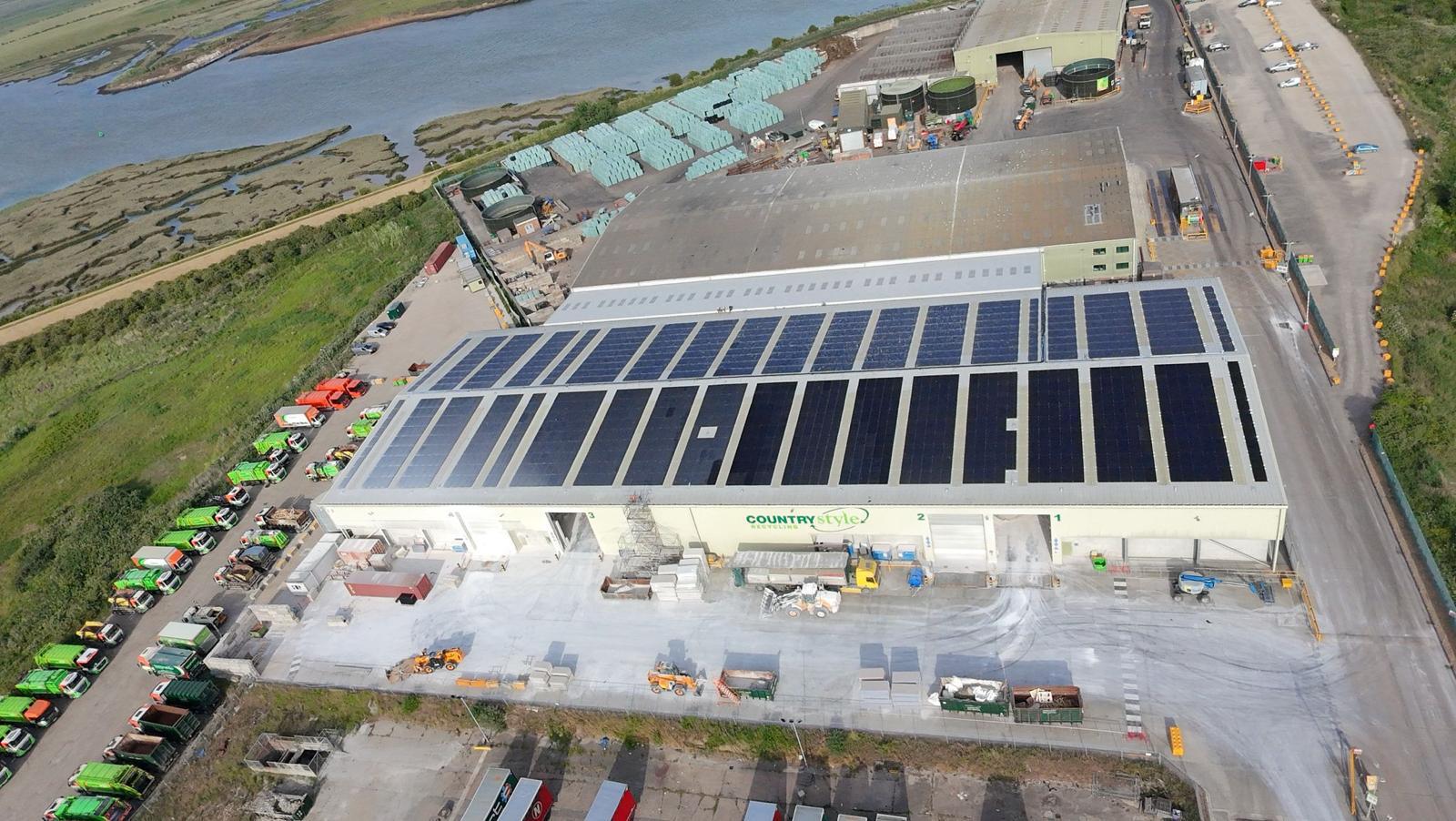
Why Logistics Companies Are Investing in Solar
The UK logistics and distribution sector is facing a triple pressure on energy costs: rising electricity prices, expanding automation (sortation, conveyor, robotics), and the transition to electric fleets. Solar generation addresses all three simultaneously — cutting electricity costs, providing power for on-site EV charging, and demonstrating the ESG credentials that major retail customers now demand from their supply chains.
Standard distribution warehouses (250–500 kW systems) can save £60,000–£120,000 annually. Large distribution centres of 1–2 MW can achieve £150,000–£350,000 in annual savings, with payback periods of 4–6 years. Cold chain facilities with 1–5 MW of continuous refrigeration load can save £300,000–£900,000+ per year — the fastest payback of any logistics facility type.
Essex's A13 corridor is the UK's primary east-west logistics route, connecting London to the East Anglian ports. London Gateway Logistics Park (9.25m sq ft, DP World) requires 25% solar PV as a minimum specification on all new builds, with roofs engineered for 100% PV coverage. Amazon LCY2 in Tilbury (2m sq ft — the UK's largest fulfilment centre), Port of Tilbury, and Purfleet Commercial Park are among the largest individual solar opportunities in the country.
The Thames Freeport zone offers enhanced capital allowances for businesses investing in green infrastructure. Combined with the Annual Investment Allowance (100% tax deduction, up to £1M), 0% VAT, and the 10-year business rates exemption (to 2035), the effective first-year cost reduction for a £500,000 logistics solar installation can exceed 40%.
Since November 2023, the 1 MW Permitted Development cap for non-domestic rooftop solar was removed — meaning even the largest logistics centre roof arrays now qualify for Permitted Development without a planning application.
Typical System Specifications
Flat roof ballasted, 250kW–1MW+
| Size | Annual Generation | Estimated Savings | Payback |
|---|---|---|---|
| 250kW | 225,000 kWh/yr | £60,000-£120,000/yr | 4-5 years |
| 500kW–1MW | 450,000–900,000 kWh/yr | £100,000-£200,000/yr | 4-6 years |
| 1MW–2MW+ | 900,000–1,800,000 kWh/yr | £150,000-£350,000/yr | 5-7 years |
Financial Benefits
Logistics solar qualifies for AIA (100% tax deduction to £1M), Full Expensing for systems above £1M (no cap), the 10-year business rates exemption (to 2035), 0% VAT until March 2027, and Thames Freeport enhanced allowances for qualifying sites. A £500,000 logistics installation at 25% Corporation Tax saves £125,000 in tax in year one — reducing the effective investment to £375,000 before energy savings begin.
Logistics Solar in Essex
London Gateway (DP World, 9.25m sq ft — 25% solar min spec), Amazon LCY2 Tilbury (2m sq ft, UK's largest fulfilment centre), Port of Tilbury (1,000+ acres), Purfleet Commercial Park (343,000 sq ft, largest warehouse within M25), Thames Freeport (enhanced tax incentives). The A13 corridor from Thurrock to Basildon contains over 15 million sq ft of logistics and warehouse space.
Key Benefit
Logistics distribution centres achieve the strongest economics in commercial solar when solar generation is timed with peak automation and EV fleet charging, delivering self-consumption rates of 60–75% without battery storage.
Case Study
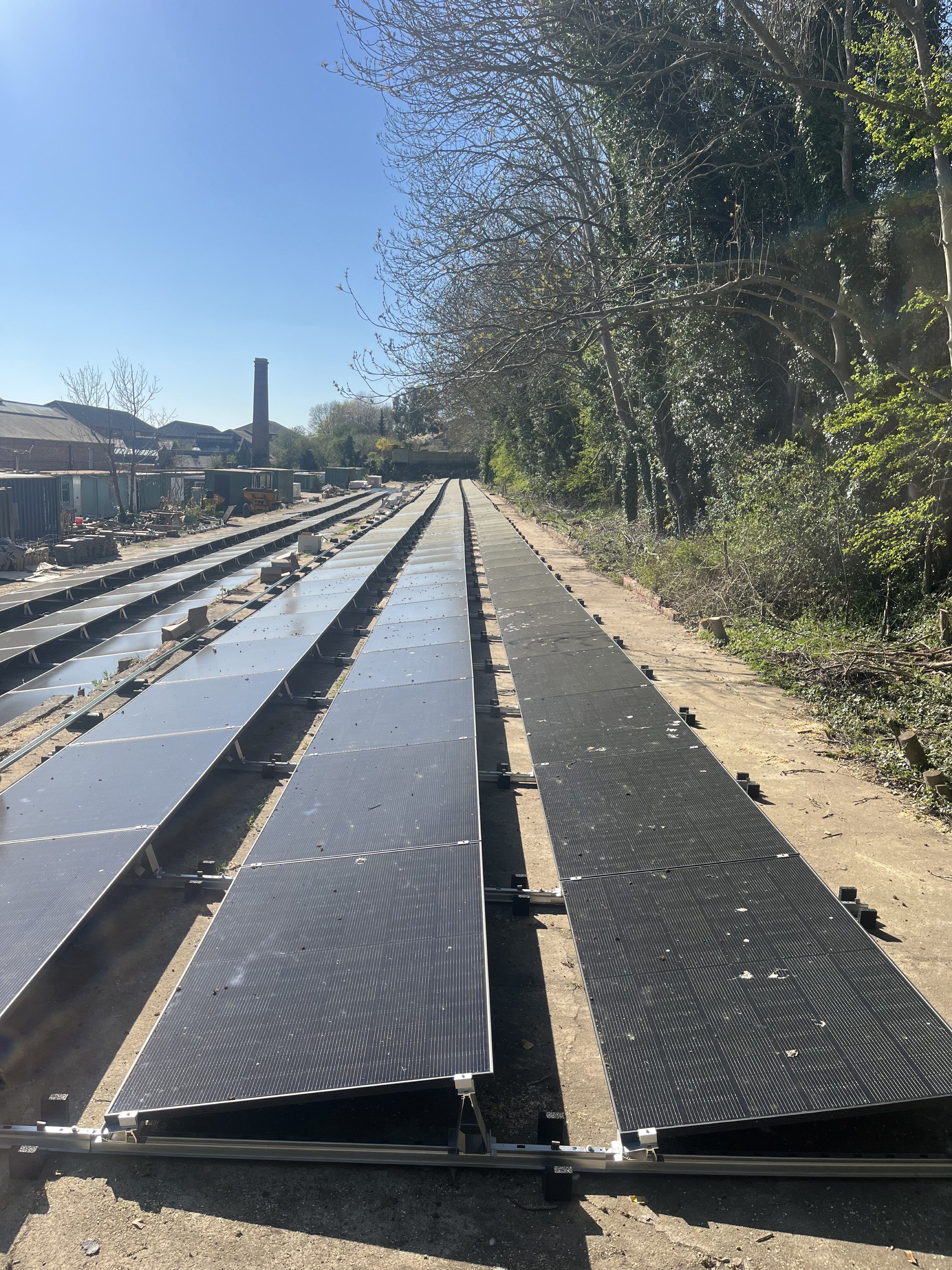
Featured Logistics Solar Installation
Case study details coming soon. We are documenting our latest logistics solar installation in Essex to share real-world performance data and ROI figures.
Request a ReferenceFrequently Asked Questions
Standard distribution warehouses (250–500 kW) save £60,000–£120,000 annually. Large distribution centres (1–2 MW) save £150,000–£350,000/yr. Cold chain facilities with heavy refrigeration loads can save £300,000–£900,000+ per year — the fastest payback of any logistics building type.
Yes. Solar generation during operational hours can directly charge electric forklifts, last-mile delivery vehicles, and employee EVs. A 250 kW system generates enough electricity to charge a fleet of 15–20 electric vans per day. Solar + battery storage extends charging capability to evenings when generation has stopped.
Solar can be installed on a leased logistics site with the landlord's written consent. Many logistics landlords actively support solar as it improves EPC ratings (critical for MEES 2030 compliance), demonstrates ESG performance to occupiers, and adds asset value. Power Purchase Agreements (PPAs) allow tenants to benefit from solar at zero capital cost — no landlord capital required.
Most rooftop installations on logistics and distribution centres qualify as Permitted Development — no planning application needed. Since November 2023, the 1 MW cap was removed, so even MW-scale rooftop arrays require no consent. Ground-mounted systems may require planning. We confirm all requirements during the free survey.
Modern solar monitoring platforms (SolarEdge, Solis, SMA) provide real-time generation and consumption data via API. This data can be integrated into building energy management systems (BEMS) and WMS platforms to optimise when energy-intensive operations (charging, sortation, refrigeration defrost cycles) run relative to solar generation peaks.
Major UK retailers — including Tesco, M&S, Sainsbury's, and Amazon — now include sustainability requirements in their supplier and logistics contracts. Specific requirements include carbon reporting, renewable energy percentages, and Science Based Targets. On-site solar generation with REGO certificates provides the most verifiable evidence of renewable energy use for supply chain ESG reporting.
A 250–500 kW logistics installation typically takes 4–8 weeks from mobilisation to commissioning. The G99 DNO application (required for systems over 50 kW) takes 8–12 weeks and should be submitted in parallel with design. Total timeline from initial survey to live generation: 16–20 weeks for standard systems; 20–28 weeks for MW-scale projects.
Solar for Logistics Near You
Guides for Logistics
Expert articles to help you plan and maximise your solar investment.
Get a Free Solar Survey for Your Logistic
Get a free, no-obligation site survey and quotation for your commercial property. Our MCS certified team will assess your building and provide a detailed proposal within 5 working days.
Prefer to speak to someone?
01279 295630