
MCS Certified
Microgeneration Certification Scheme
NAPIT Approved
Electrical Competency
RECC Member
Consumer Protection
ISO 45001
Health & Safety Management
ISO 9001
Quality Management
ISO 14001
Environmental Management
4.9 / 5
500+ verified reviews
Agricultural Solar Panels for Essex Farms
Essex farms have unique solar advantages: large barn roofs, unused land suitable for ground-mount systems, and broader permitted development rights that enable larger installations without formal planning applications.
Get Free Survey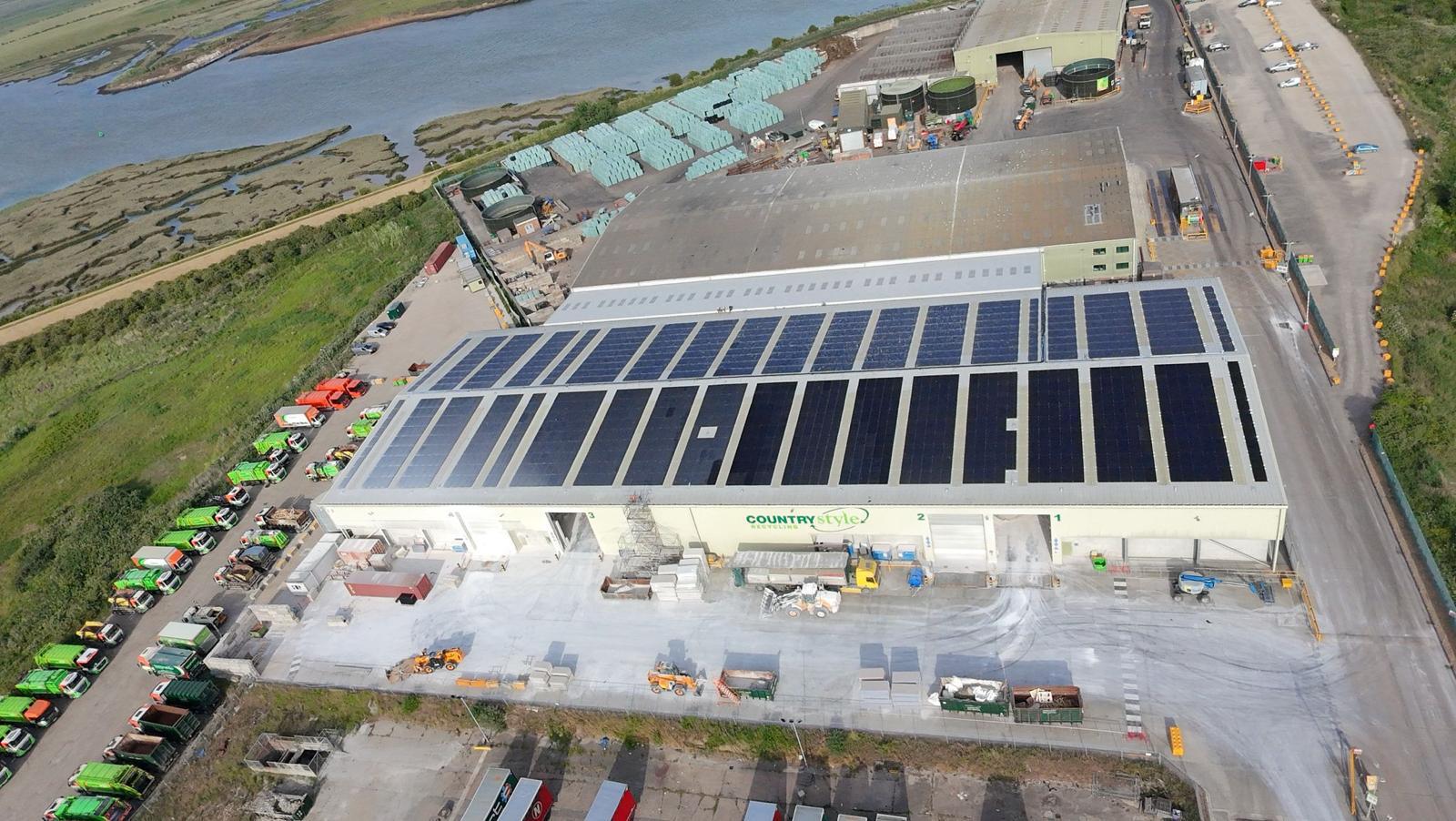
Why Solar Works for Farms
Essex is a significant agricultural county with diverse farming operations — arable, dairy, mixed livestock, and horticultural. Each presents distinct solar opportunities. Dairy farms have consistent electricity demand from milking equipment, refrigeration, and water heating. Arable operations have seasonal peaks for grain drying and irrigation. All benefit from reducing their exposure to volatile energy prices.
Agricultural buildings benefit from broader permitted development rights than standard commercial properties. Barn roofs can accommodate substantial solar arrays, and ground-mount systems on non-productive or marginal land provide income diversification without affecting farming operations.
Ground-mount solar on farms is increasingly attractive: systems from 50kW to several MW can utilise land that generates minimal agricultural income. The income from solar generation often exceeds what the same land would produce from farming, while the land beneath panels can still support sheep grazing or biodiversity planting.
Solar can power irrigation systems, cold storage, milking parlours, and electric farm vehicles. Combined with battery storage, farms can achieve near-complete energy independence — a significant advantage given the rural grid constraints that result in higher electricity costs.
Typical System Specifications
Barn roof-mount or ground-mount, 30kW-250kW
| Size | Annual Generation | Estimated Savings | Payback |
|---|---|---|---|
| 30kW | 27,000 kWh/yr | £5,000-£7,500/yr | 5-7 years |
| 100kW | 90,000 kWh/yr | £17,000-£25,000/yr | 4-6 years |
| 250kW | 225,000 kWh/yr | £42,000-£60,000/yr | 4-6 years |
Financial Benefits
Farms benefit from the Annual Investment Allowance (100% tax relief up to £1M), the 10-year business rates exemption, and income diversification through solar generation. Ground-mount systems on agricultural land can qualify as farm diversification projects, and the Rural Development Programme may provide additional grant funding in some cases.
Farms Solar in Essex
Essex is one of England's most productive agricultural counties, with extensive arable farming in the north (around Braintree, Colchester) and mixed farming across the county. Large barn complexes in areas like Maldon, Uttlesford, and Tendring offer significant roof-mount potential, while marginal land near the Thames estuary presents ground-mount opportunities.
Key Benefit
Agricultural permitted development rights allow larger solar installations without formal planning, and ground-mount systems on marginal land provide income diversification exceeding typical agricultural returns.
Case Study
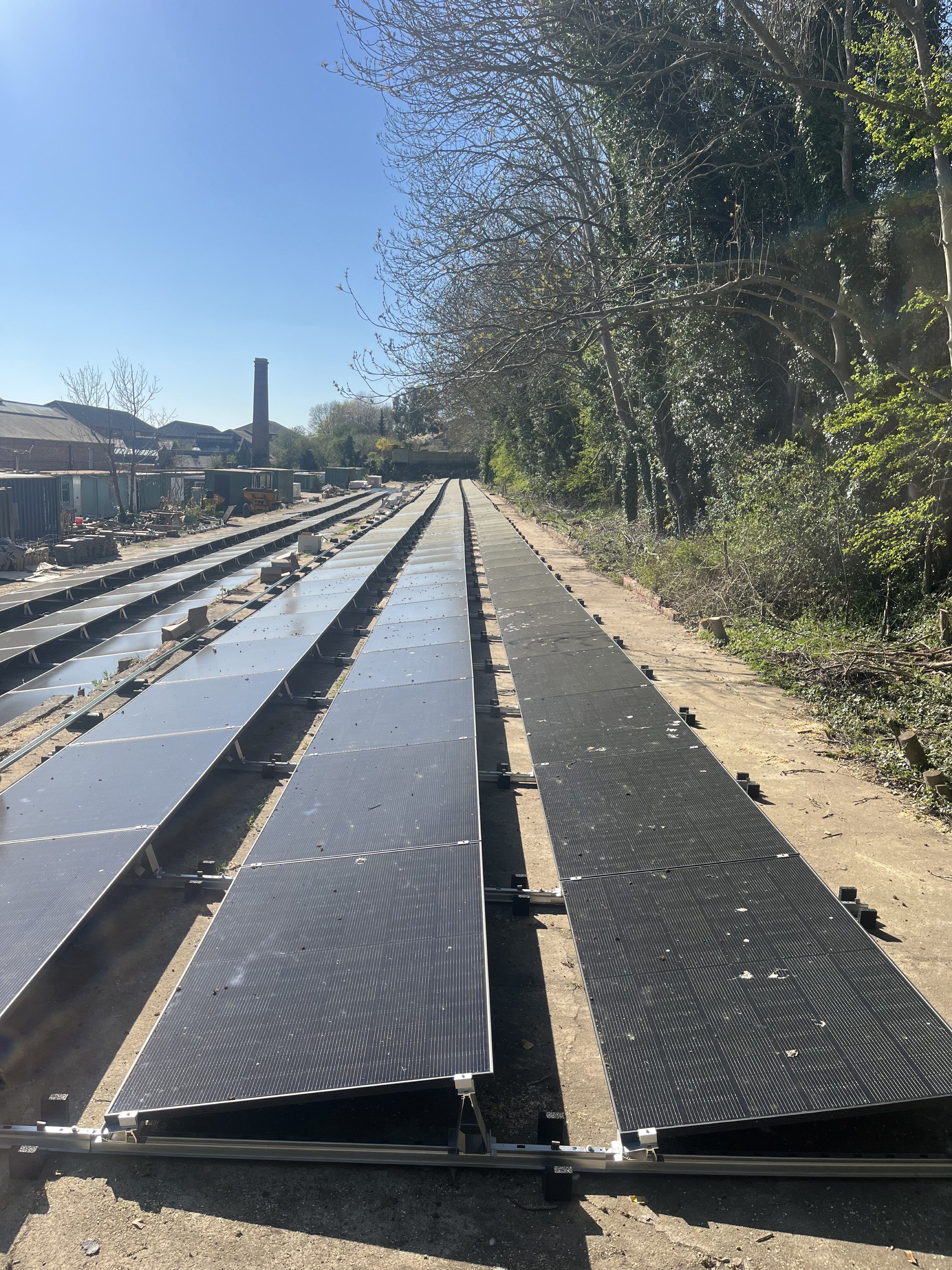
Featured Farms Solar Installation
Case study details coming soon. We are documenting our latest farms solar installation in Essex to share real-world performance data and ROI figures.
Request a ReferenceFrequently Asked Questions
Most agricultural barn roofs are suitable for solar. Steel portal frame barns are ideal, with direct-fix mounting brackets. We assess structural capacity, orientation, and shading during the free survey.
Ground-mount systems are increasingly popular on farms. Systems up to 50kW may qualify as permitted development on agricultural land. Larger systems require planning permission but are often approved as farm diversification.
Dairy operations have consistent electricity demand from milking equipment, bulk tank cooling, water heating, and ventilation. Solar generation during daytime milking shifts delivers high self-consumption rates of 50-70%.
Rooftop solar has no impact on agricultural subsidy payments. Ground-mount systems may affect Sustainable Farming Incentive eligibility on the specific land used. We recommend consulting DEFRA guidance for your specific situation.
Yes, solar grazing is standard practice. Panels are raised to allow sheep access, and the shaded area provides shelter while reducing mowing requirements. It is a genuine dual-use that maintains some agricultural function.
Solar for Farms Near You
Guides for Farms
Expert articles to help you plan and maximise your solar investment.
Get a Free Solar Survey for Your Farm
Get a free, no-obligation site survey and quotation for your commercial property. Our MCS certified team will assess your building and provide a detailed proposal within 5 working days.
Prefer to speak to someone?
01279 295630