
MCS Certified
Microgeneration Certification Scheme
NAPIT Approved
Electrical Competency
RECC Member
Consumer Protection
ISO 45001
Health & Safety Management
ISO 9001
Quality Management
ISO 14001
Environmental Management
4.9 / 5
500+ verified reviews
Commercial EV Charger Installation in Essex
Equip your business with commercial EV charging infrastructure designed for workplaces, fleets, retail destinations, and public access. From 7kW workplace chargers to 150kW ultra-rapid units, we design, install, and manage complete charging solutions for Essex businesses. Claim up to £500 per socket through the Workplace Charging Scheme.
Get Free Survey
500
Per Socket Grant (WCS)
40
Max Sockets Funded
7-150kW
Charger Range
100%
Tax Relief (AIA)
Commercial EV Charging for Essex Businesses
The transition to electric vehicles is accelerating faster than most businesses anticipated. With new petrol and diesel car sales banned from 2035 and EV registrations growing rapidly year on year, Essex businesses need charging infrastructure now, not just for their own fleets, but for staff, customers, and visitors who increasingly expect to charge at every destination.
Commercial EV charger installation is about more than simply mounting a box on a wall. It requires careful assessment of your electrical supply capacity, strategic positioning of charge points for maximum usage and minimum disruption, intelligent load management to avoid costly supply upgrades, and the right mix of charger speeds for your specific use case. Whether you need overnight charging for a fleet depot, daytime top-up charging for a workplace car park, or rapid turnover charging for a retail destination, the approach is different.
The Workplace Charging Scheme makes the financial case even more attractive. This government grant provides up to £500 per socket towards the cost of charger purchase and installation, with businesses able to claim for up to 40 sockets per applicant. That is a potential £20,000 contribution to your charging infrastructure. We handle the entire application process, ensuring you receive the maximum grant available for your installation.
For businesses already generating solar electricity, on-site EV charging creates a virtuous circle. Your commercial solar panels generate free electricity during the day, which charges your vehicles and those of your staff at near-zero cost. The running cost of an EV drops from around 7-8p per mile on grid electricity to as little as 1-2p per mile on solar power. Adding battery storage extends this benefit into evening hours and overnight.
Smart load management technology is central to our commercial EV charging installations. Rather than requiring expensive electrical supply upgrades to accommodate multiple chargers, smart systems dynamically distribute available capacity across all connected vehicles. They prioritise based on departure times, state of charge, and user preferences, ensuring every vehicle gets the charge it needs while staying within your existing electrical limits.
For retail, hospitality, and leisure businesses, EV chargers represent a genuine competitive advantage. Research consistently shows that EV drivers actively seek out destinations with charging facilities and spend more time and money while their vehicle charges. A well-publicised charging installation draws new customers through the door and keeps them on-site longer than they might otherwise stay.
We install all major charger brands across Essex, including Easee, Zappi, Hypervolt, ABB, and Kempower, and provide ongoing maintenance and management through cloud-based platforms that give you full visibility and control over your charging network.
How EV Charger Installation Works
Free Survey
We assess your electrical supply capacity, car park layout, expected usage patterns, and future growth plans. We also check your eligibility for the Workplace Charging Scheme grant.
System Design
We design your charging layout, select the right charger mix, configure load management settings, and plan cable routes and electrical connections for optimal performance.
Installation
Our electricians install chargers, run cabling, and connect to your electrical distribution board. Groundworks for cable ducting are completed with minimal disruption to your car park operations.
Commissioning
Every charger is tested, load management systems configured, user access set up, and payment systems activated. We train your team on managing and monitoring the charging network.
Monitoring
Cloud-based management platforms provide real-time visibility of charger usage, energy consumption, revenue, and maintenance needs. Remote diagnostics enable fast issue resolution.
Typical project timeline: 4-8 weeks from survey to commissioning.
Key Benefits of Commercial EV Charging
Attract and Retain Staff
Workplace EV charging is increasingly expected by employees choosing their next role. Offering free or subsidised charging demonstrates your commitment to sustainability and provides a tangible staff benefit that costs far less than salary increases.
Reduce Fleet Running Costs
Electric vehicles cost 3-5p per mile compared to 15-20p per mile for petrol or diesel. Charging on-site from your own solar panels reduces this further. Transitioning your fleet to electric with on-site charging delivers significant operational savings.
Generate Charging Revenue
Turn your car park into a revenue stream with payment-enabled EV chargers. Retail, hospitality, and leisure businesses can attract EV-driving customers who spend more while charging, creating a competitive advantage and new income stream.
Prepare for the 2035 Ban
The UK ban on new petrol and diesel car sales takes effect in 2035. Businesses that install charging infrastructure now position themselves ahead of the curve, avoiding the rush and higher costs that will come as demand for charger installations surges.
Workplace Charging Scheme
Access up to £500 per socket through the government Workplace Charging Scheme, with a maximum of 40 sockets per applicant. This grant significantly reduces your upfront investment and improves the payback period for workplace charging installations.
Smart Load Management
Intelligent charge management distributes available electrical capacity across all chargers, prioritising vehicles by departure time and charge need. This maximises the number of chargers you can install without costly electrical supply upgrades.
Commercial EV Charger Pricing
Indicative pricing for commercial EV charger installations in Essex. Costs depend on charger type, quantity, groundworks, and electrical supply requirements.
| Charger Type | Installed Cost | Grants Available | Payback Period |
|---|---|---|---|
| 7kW (Single) | £800-£1,200 | Up to £500 WCS | 1-2 years |
| 22kW (Fast) | £2,000-£3,500 | Up to £500 WCS | 2-3 years |
| 50kW (Rapid) | £20,000-£35,000 | Revenue generating | 3-5 years |
| 150kW (Ultra-rapid) | £40,000-£60,000 | Revenue generating | 4-6 years |
Prices exclude VAT (reclaimable by VAT-registered businesses).
Sectors We Serve
EV charging installations for every type of commercial property. Explore our other energy services to maximise your investment.
Case Studies
20-Bay Workplace Charging, Chelmsford
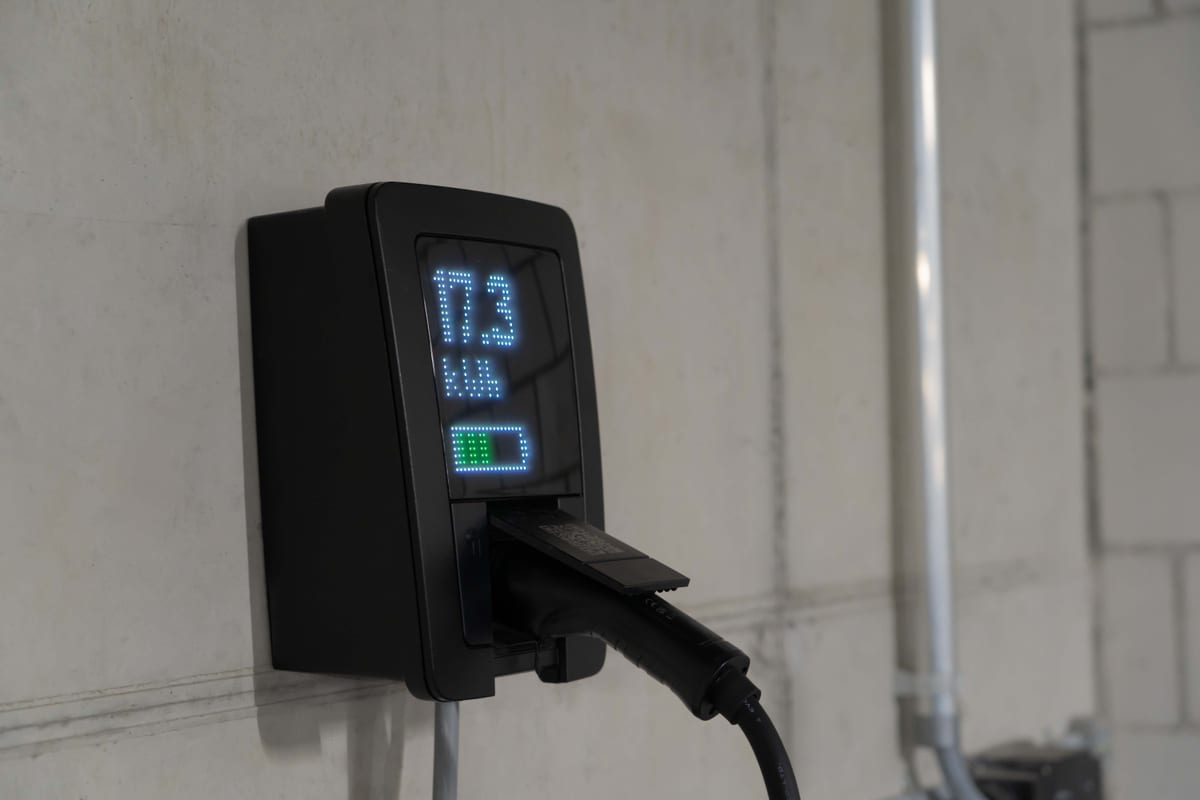
A technology company installed 20 smart 7kW chargers with load management for their staff car park, funded partly by the Workplace Charging Scheme. Over 40% of staff now drive EVs.
40% staff EV adoption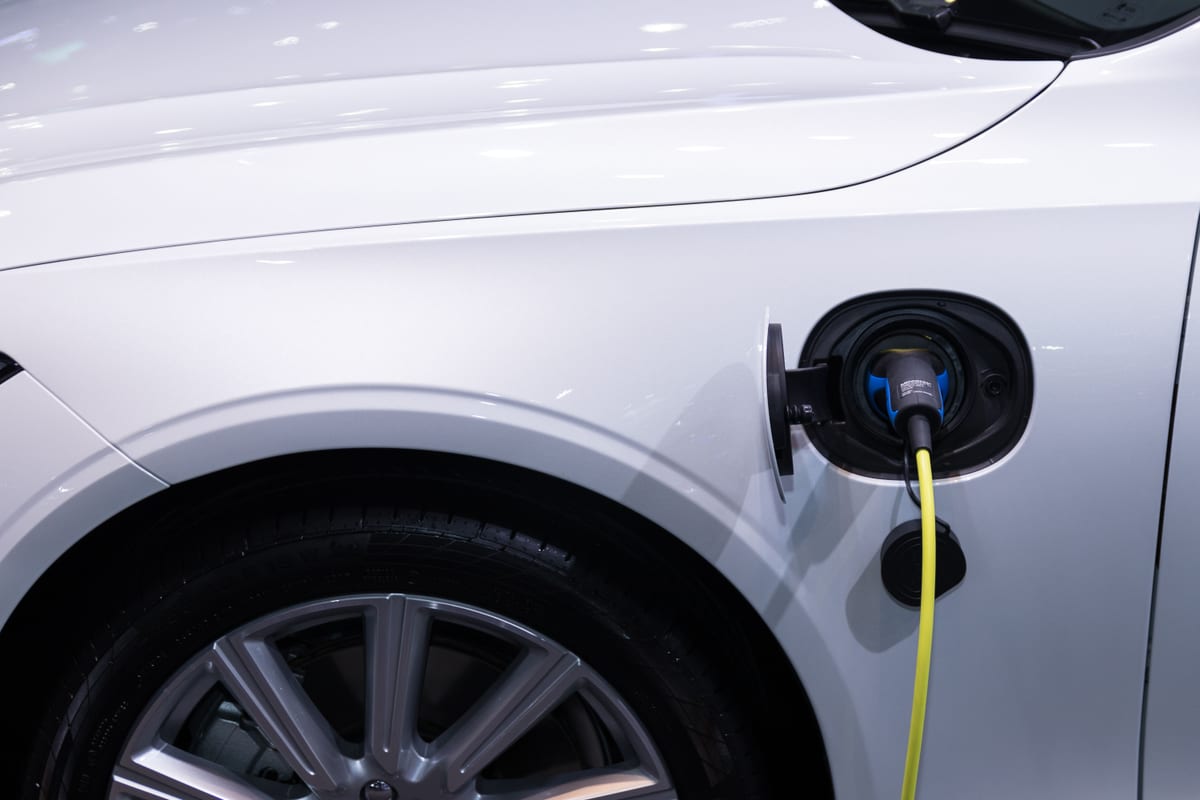
Rapid Charging Hub, Colchester
A retail park installed four 50kW rapid chargers and two 150kW ultra-rapid units, creating a destination charging hub that generates over £3,000 monthly in charging revenue.
£3,000/month revenue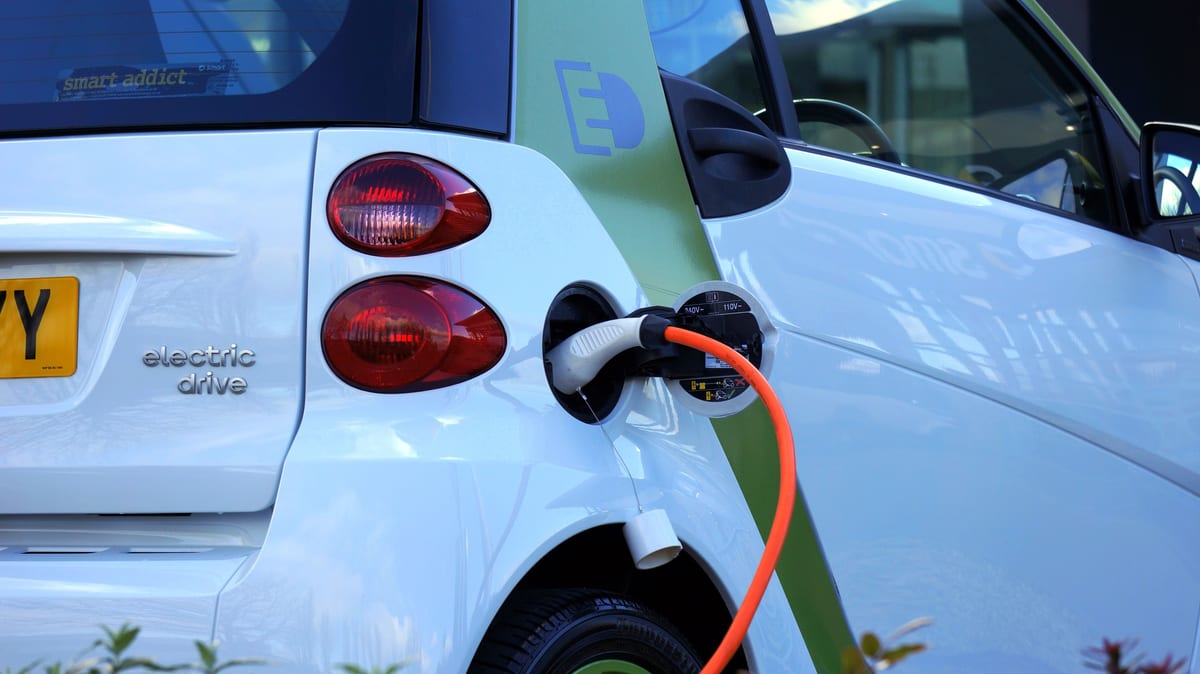
Fleet Depot Solar + EV, Basildon
A delivery company combined a 100kW solar array with 12 fleet chargers and battery storage, cutting vehicle fuel costs by 85% and eliminating 90 tonnes of CO2 annually.
85% fuel cost reductionFrequently Asked Questions
Commercial EV charger installation costs vary widely depending on the charger type and power output. Single 7kW chargers start from £800-£1,200, 22kW fast chargers cost £2,000-£3,500, 50kW rapid chargers range from £20,000-£35,000, and 150kW ultra-rapid chargers cost £40,000-£60,000. These prices include installation, but groundworks, electrical upgrades, and cable runs may add to the total.
The Workplace Charging Scheme (WCS) is a government voucher scheme that provides businesses with up to £500 per socket towards the cost of purchasing and installing EV charge points. You can claim for up to 40 sockets per applicant, giving a maximum grant of £20,000. The scheme covers chargers with a minimum output of 7kW and requires the chargers to be available to staff or fleet vehicles.
The number of chargers depends on your fleet size, staff EV adoption rates, visitor parking, and future growth plans. As a starting point, we recommend one charger for every 3-5 EVs in your current fleet, with spare capacity for growth. For staff parking, 10-20% coverage is typically a good starting point, increasing as EV adoption grows. Our survey provides specific recommendations.
Yes, you can monetise your EV chargers in several ways. Payment-enabled chargers allow you to charge staff, visitors, or the public for electricity. You can set your own rates, offer different pricing for different user groups, and manage everything through a cloud-based platform. Many businesses find that charging infrastructure becomes a profit centre, especially in retail and hospitality locations.
Not always. A small number of 7kW chargers can often be accommodated within your existing electrical supply. However, multiple fast or rapid chargers may require electrical upgrades. Smart load management systems can dynamically share available capacity across multiple chargers, reducing or eliminating the need for expensive supply upgrades. We assess your current capacity during the free survey.
Absolutely. Combining <a href='/commercial-solar'>commercial solar panels</a> with EV charging is one of the most cost-effective energy strategies available. Solar-powered EV charging reduces the per-mile cost of running electric vehicles to near zero. Adding <a href='/commercial-battery-storage'>battery storage</a> ensures that solar energy is available for charging even when the sun is not shining, maximising your return.
It depends on how long vehicles stay parked. 7kW single-phase chargers (~25-30 miles of range per hour) suit workplace all-day parking and overnight fleet depots where dwell time is long. 22kW three-phase units (~80-90 miles per hour) suit pool cars and medium-dwell staff or visitor bays. 50kW DC rapid chargers add around 100-120 miles in 30 minutes, ideal for retail, hospitality and quick fleet turnaround, while 150kW ultra-rapid units suit destination hubs, vans and paid public charging. Most commercial sites use a mix under one smart load-management system, and we recommend the right blend during the free survey.
Yes. The Workplace Charging Scheme provides up to £350 per socket for up to 40 sockets (a maximum of £14,000) towards the chargers themselves, while the separate EV infrastructure grant provides up to £15,000 towards the wider groundworks — cabling, ducting and distribution capacity — that make future charger expansion cheaper. It pays £350 per installed socket plus £500 per additional parking bay future-proofed for charging. Both are Office for Zero Emission Vehicles schemes and must be claimed through an OZEV-authorised installer, which we manage for you from application to redemption.
Charging from the grid at commercial rates of 22-27p/kWh costs roughly 6-8p per mile for a car or van doing 3.5-4 miles per kWh. Charging from your own commercial solar panels costs closer to 5-8p/kWh over the system's life, cutting the cost per mile to around 1-2p. For a 20-vehicle fleet covering 15,000 miles each a year, that can reduce annual charging costs from around £21,000 on the grid to roughly £4,500 on solar — a saving of well over £15,000 a year, with battery storage banking daytime generation for overnight charging. Solar and charging equipment also qualify for the Annual Investment Allowance and business rates exemption until 2035.
EV Charger Installation Across All Areas
We install commercial EV chargers throughout Essex, Milton Keynes, Northampton, and Ipswich. Find your area for local information.
EV Charging
BasildonEV Charging
ThurrockEV Charging
ColchesterEV Charging
HarlowEV Charging
SouthendEV Charging
BraintreeEV Charging
BrentwoodEV Charging
RomfordEV Charging
Barking & DagenhamEV Charging
GraysEV Charging
StanstedEV Charging
Milton KeynesEV Charging
IpswichEV Charging
NorthamptonEV Charging
EV Charging Guides & Insights
Expert guides on commercial EV charger grants, installation, and integrating charging with solar panels.
Workplace Charging Scheme 2026 Guide
How to claim up to £500 per EV charging socket for your business. Eligibility criteria, application process and installation advice.
Read article →Solar, Battery & EV Integration Guide
Power your EV fleet with solar electricity. How to combine solar panels, battery storage, and EV charging for maximum savings.
Read article →Smart Export Guarantee Rates 2026
Compare the best SEG rates for commercial solar. How solar + battery + EV charging can unlock premium export tariffs.
Read article →Workplace Charging Scheme: How Much Your Business Can Claim
The Workplace Charging Scheme (WCS) is a voucher-based grant from the Office for Zero Emission Vehicles that cuts the upfront cost of installing EV chargepoints at your premises. It covers up to £350 per charging socket, and you can claim for a maximum of 40 sockets across all of your sites — a total contribution of up to £14,000 towards the purchase and installation of workplace charging.
To qualify, your business, charity or public-sector organisation needs dedicated off-street parking, chargepoints rated at 7kW or above, and installation by an OZEV-authorised commercial installer. As an OZEV-approved installer we manage the voucher application from application to redemption and apply the grant directly against your invoice, so the discount comes off your upfront cost rather than being claimed back later.
Small and medium-sized businesses planning a phased fleet or staff-parking rollout can also access the separate EV infrastructure grant, worth up to £15,000. Rather than funding the chargers themselves, it covers the wider groundworks — cabling, ducting and distribution capacity — that make future expansion straightforward, paying £350 per installed socket plus £500 for every additional parking bay wired and future-proofed for charging. Used together, WCS and the infrastructure grant can remove a substantial share of the cost of a phased rollout, so you install what you need now and grow the network cheaply as EV adoption climbs.
Choosing the Right Charger Speed: 7kW to 150kW
Matching charger speed to how long vehicles actually dwell on site is the single biggest factor in getting your EV charging investment right. Slow, steady AC charging suits all-day workplace parking and overnight fleet depots, where vehicles sit for hours; fast DC charging suits short-dwell retail, hospitality and quick fleet turnarounds. Most commercial sites deploy a mix, managed under one smart load-management system.
| Charger Speed | Connection | Range Added Per Hour | Best For |
|---|---|---|---|
| 7kW | Single-phase AC | ~25-30 miles | Workplace all-day parking & overnight fleet depots |
| 22kW | Three-phase AC | ~80-90 miles | Pool cars & medium-dwell staff and visitor bays |
| 50kW | DC rapid | ~100-120 miles / 30 min | Retail, hospitality & quick fleet turnaround |
| 150kW | DC ultra-rapid | ~150-200 miles / 20-30 min | Destination hubs, vans/HGVs & paid public charging |
Range figures are indicative and vary by vehicle efficiency and battery state. Chargepoints of 50kW and above connect to your supply at higher currents, so a load assessment and, above 50kW, a G99 connection application to UK Power Networks is usually required — both of which we handle during design.
Solar-Powered Fleet Charging: The ROI Case
Charging an electric fleet from the grid at commercial rates of 22-27p/kWh works out at roughly 6-8p per mile for a typical car or van managing 3.5-4 miles per kWh. Generating that same electricity from your own commercial solar panels costs closer to 5-8p/kWh across the life of the system, dropping the cost of every mile driven to around 1-2p — before you even compare it against 15-20p per mile for diesel.
Scaled across a fleet, that gap compounds quickly. A 20-vehicle fleet covering 15,000 miles each per year drives 300,000 miles annually: at grid rates that is roughly £21,000 of electricity, but charged from on-site solar it can fall to around £4,500 — a saving of well over £15,000 a year that grows every time grid prices rise. Peak-shaving from the same array also trims your wider site demand charges by 20-40%.
Because depots typically charge overnight when solar output is zero, pairing panels with battery storage is what makes the model work: the battery banks cheap daytime generation and dispatches it into vehicles after dark, while smart load management staggers charging so the whole fleet is ready by the morning shift without breaching your supply capacity.
The investment case is reinforced by the tax treatment. Solar and charging equipment count as plant and machinery, so the Annual Investment Allowance gives 100% first-year tax relief on up to £1M of qualifying spend; because solar is special-rate plant it draws on the AIA or the 50% first-year allowance rather than full expensing. Solar installations also remain exempt from business rates until 2035, further shortening the combined payback on a solar-plus-charging project to typically 3-6 years.
Get a Free EV Charging Quote for Your Business
Tell us about your site and we will check your Workplace Charging Scheme eligibility and design the right system. No obligation.
Quick Quote Request
Free, no obligation estimate
Typical response within 2 hours
Ready to Cut Your Business Energy Costs?
Get a free, no-obligation site survey and quotation for your commercial property. Our MCS certified team will assess your building and provide a detailed proposal within 5 working days.
Prefer to speak to someone?
01279 295630