
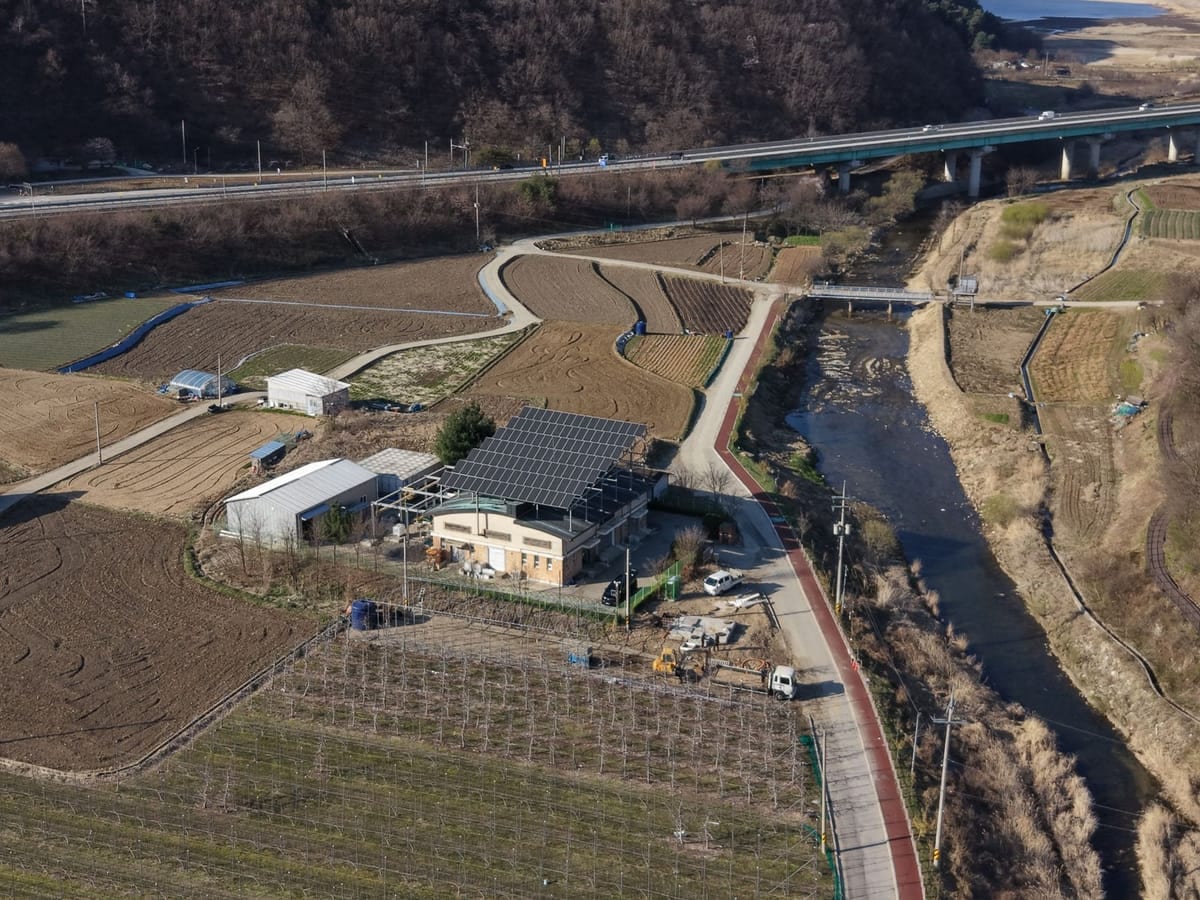
Commercial Solar in Norfolk: Norwich, King's Lynn and the Agricultural Business Guide
Norfolk is one of England's sunniest counties and one of its most agricultural. It is also home to a rapidly growing offshore wind supply chain, a significant food processing sector, and a tourism economy that drives high seasonal energy demand. For Norfolk businesses, solar energy is not just an environmental choice — it is the most compelling financial investment in the current energy market.
Key Figures: Norfolk Commercial Solar
1,527hours/yr
Norwich annual sunshine
25%DEFRA grant
Farm building solar
3–5yr
Typical payback
Top 3sunniest
County in England
Norfolk's Solar Advantage: Sunshine, Agriculture, and Offshore Wind
East Anglia consistently records the highest sunshine hours in England, and Norfolk sits at the heart of this solar-rich region. Norwich averages 1,527 hours of sunshine annually — more than Edinburgh, Manchester, or Leeds, and approaching the levels recorded in Kent and Essex. This translates directly into higher solar generation per panel installed, improving the financial returns on any commercial solar investment.
The county's economy is dominated by three sectors with particularly strong solar economics: agriculture, food processing, and the offshore energy industry. Norfolk's flat arable landscape and large farm buildings make it one of the UK's prime locations for agricultural solar, while the offshore wind sector based around Great Yarmouth and Bacton creates significant industrial energy demand well-suited to on-site generation.
Agricultural Solar: Norfolk's Biggest Opportunity
Norfolk is one of the UK's most productive arable counties — wheat, barley, sugar beet, and vegetables are grown across hundreds of thousands of acres, supported by grain stores, drying equipment, and cold storage facilities that consume substantial electricity. For farm businesses, the combination of the DEFRA Improving Farm Productivity Grant and the Annual Investment Allowance makes agricultural solar the highest-returning capital investment currently available.
The DEFRA grant covers 25% of eligible costs for solar installed on existing agricultural buildings. A grain store requiring a 200kW solar system costing £170,000 qualifies for a £42,500 DEFRA grant, reducing the net investment to £127,500 before the Annual Investment Allowance provides a further 25% effective reduction on the remaining expenditure. The combined effect can cut the effective cost of a farm solar installation by 40–50% compared to the gross installation price.
Grain Drying and Storage: The Perfect Solar Match
Grain drying and storage facilities have electricity consumption patterns that align exceptionally well with solar generation. Drying operations run during harvest months — late summer and early autumn — when solar generation is at its seasonal peak. Cold stores for vegetables and soft fruit run year-round with higher consumption during the growing season. In both cases, the timing of consumption closely matches the timing of peak solar output, resulting in high self-consumption rates of 70–85%.
Great Yarmouth and the Offshore Wind Supply Chain
Great Yarmouth is the UK's offshore wind capital. The town's port and industrial estate host a significant concentration of offshore energy businesses — fabrication yards, logistics operators, vessel operators, engineering workshops, and the Seagen manufacturing hub. These facilities have substantial electricity demands driven by heavy machinery, fabrication processes, welding, and an increasingly electrified ground fleet.
The irony of an offshore wind supply chain business purchasing expensive grid electricity is not lost on industry participants. Solar panels on fabrication halls, warehouse roofs, and office buildings within the Great Yarmouth energy cluster can deliver annual savings of £50,000–£200,000 depending on building size and consumption, with payback periods of 3–5 years. Battery storage — paired with solar — enables businesses to avoid high half-hourly demand charges that are particularly relevant for large industrial consumers.
Norwich Commercial and Office Market
Norwich's commercial property market is anchored by the Norwich Research Park — one of Europe's largest concentrations of food and health research — the city centre office market, and a ring of out-of-town retail and logistics parks. The Research Park, which hosts the Food and Environment Research Agency, Quadram Institute, and numerous biotech spinouts, has energy demand profiles well-suited to solar investment.
The city's major employers — Aviva, Anglian Water, Norfolk County Council, Norfolk and Norwich University Hospitals — all have sustainability commitments that support solar adoption across their property portfolios. The NHS's Net Zero commitment requires all trusts to install renewable energy where feasible; the Norfolk and Norwich University Hospitals NHS Foundation Trust has substantial roof space at its Colney Lane site that represents a significant solar opportunity.
Recommended Solar Installer: Green Hat Renewables
For commercial and agricultural solar installations across Norfolk, we recommend Green Hat Renewables as our trusted regional partner. Green Hat has particular expertise in agricultural solar across East Anglia, including DEFRA grant application support, and comprehensive experience with commercial buildings in Norwich, King's Lynn, Great Yarmouth, Fakenham, and across rural Norfolk.
Their understanding of the local grid connection environment — Eastern Power Networks (UK Power Networks) serves the county — and the specific planning considerations of the Norfolk Coast AONB and Broads Authority area makes them the natural choice for solar projects across the county.
Frequently Asked Questions
Norfolk is one of the sunniest counties in England. East Anglia as a whole receives more sunshine hours than almost anywhere else in the UK, with Norwich averaging 1,527 hours of sunshine per year and solar irradiation of approximately 1,490–1,550 kWh/m² annually. This places Norfolk comfortably in the top tier for solar generation potential. A 100kW commercial system in Norfolk typically generates 90,000–100,000 kWh per year, delivering annual savings of £21,600–£28,000 at current commercial electricity rates.
The DEFRA Improving Farm Productivity Grant (Productivity and Slurry theme) provides capital grants of 25% towards eligible solar PV systems on farm buildings. The grant covers solar panels installed on existing agricultural buildings including barns, grain stores, and livestock buildings. The minimum grant is £35,000 (covering a £140,000 eligible capital spend) and the maximum is £500,000. Norfolk farmers can combine this grant with the Annual Investment Allowance for the remaining 75% of expenditure, providing substantial combined tax and grant relief. The grant does not cover ground-mounted systems, which remain fully eligible for AIA.
Most rooftop commercial solar installations in Norfolk qualify as permitted development and require no planning application. Ground-mounted systems on farmland may qualify as permitted development if under 1MW, sited at least 5 metres from the property boundary, and not occupying more than half the curtilage of the agricultural building. Norfolk's coast and Broads areas include Areas of Outstanding Natural Beauty (the Norfolk Coast AONB) where additional planning sensitivity applies — though rooftop solar on existing commercial buildings is generally still permissible.
Agriculture (arable and livestock farming, grain storage and drying), food processing and packaging (Norwich is home to Cranswick and numerous food manufacturers), offshore wind supply chain businesses operating from Great Yarmouth and Bacton, tourism and hospitality (holiday parks, hotels, visitor attractions), and NHS/healthcare facilities. Great Yarmouth's offshore energy sector brings high electricity demand from fabrication yards, engineering workshops, and port operations — all strong solar candidates.
For commercial and agricultural solar installations across Norfolk, we recommend Green Hat Renewables (greenhatrenewables.co.uk) as our trusted regional partner. They have specific expertise in agricultural solar across East Anglia, including DEFRA grant applications, and wide experience with commercial buildings in Norwich, King's Lynn, and Great Yarmouth. For large-scale commercial projects of 250kW and above, EC Eco Energy can provide additional project management support.